Is Botox FDA approved for cosmetic use, and why does that status matter for your face, your wallet, and your peace of mind? Yes, Botox Cosmetic is FDA approved for specific aesthetic areas, and that approval sets the bar for safety, dosing standards, and how a qualified provider should use it. The details, though, matter more than the headline.
What FDA approval actually covers
Botox is a brand name for onabotulinumtoxinA, a purified neurotoxin protein that temporarily relaxes targeted muscles. The FDA evaluates each proposed use separately, which is why you’ll see multiple approvals under the same product. For cosmetic use, approvals include moderate to severe glabellar lines (the frown lines between the brows), crow’s feet at the outer corners of the eyes, and horizontal forehead lines. Those are the zones most people think of when they ask about Botox for wrinkles.
In medical practice, Botox also has approvals for conditions like chronic migraine prevention, cervical dystonia, upper limb spasticity, overactive bladder, and severe underarm sweating. While that’s beyond cosmetic goals, it’s part of the drug’s safety profile and evidence base. The sheer quantity of research and years of clinical use matter, because they inform how we safely dose, dilute, and inject the product for an aesthetic outcome.
FDA approval also clarifies the difference between on-label and off-label use. On-label means an indication, dose range, dilution, and anatomical area have been vetted and approved by the agency. Off-label means a clinician is applying an FDA-approved medication in a way the FDA has not specifically approved, based on emerging evidence and accepted practice. In aesthetics, off-label is common and, when performed by a certified injector with appropriate training, can be reasonable. Examples include the masseter muscle for jawline slimming, a subtle Botox brow lift, gummy smile reduction, and using tiny doses around the lips for softening vertical lip lines. Off-label does not mean unsafe, but it does demand judgment, transparency, and consent.
Why FDA approval should shape your expectations
Approval isn’t just a rubber stamp. It dictates quality control of the product, manufacturing consistency, and the clinical data used to determine typical dosing, effect-onset, duration, and common side effects. When you read a label dose like 20 units for frown lines, that’s from trials with thousands of patients. It gives you a starting point, not a rigid rule. Good injectors adjust for muscle strength, face shape, gender, and goals.
Because the language around Botox can feel interchangeable, it’s important to separate product from technique. The FDA approval assures that a vial labeled Botox is actually onabotulinumtoxinA produced under rigorous standards. It doesn’t guarantee a natural result. That part depends on the injector’s training, your anatomy, the injection pattern, and your maintenance plan.
The science in plain terms: how Botox works
Wrinkles form for different reasons. Dynamic wrinkles, like frown lines and crow’s feet, result from repeated muscle movement. Static wrinkles etch in over time from movement plus sun exposure, collagen loss, and gravity. Botox targets dynamic movement. It blocks the release of acetylcholine at the neuromuscular junction, which reduces the muscle’s ability to contract. The muscle doesn’t disappear, it simply relaxes. On the skin’s surface, that relaxation translates into softened creases and often a smoother, brighter look because light reflects better off relaxed skin.
Onset is not immediate. Most people notice early softening in 2 to 5 days, with full Botox results at about 10 to 14 days. That’s why experienced providers schedule a two-week follow-up, especially for a first botox session, to assess symmetry and fine-tune. The effects typically last 3 to 4 months in the treated area. Some patients stretch to 5 or 6 months, others fade in 10 to 12 weeks. Factors include dose, your metabolism, muscle mass, and whether you keep consistent botox maintenance. Stronger muscles, like the glabella in men or the masseter in bruxers, often need higher units or more frequent repeat treatments.
What Botox is approved to treat cosmetically
If you’re considering botox cosmetic for wrinkles, the three FDA-approved aesthetic areas are a useful map.
Glabellar lines between the brows. Common dose ranges are 15 to 25 units for women and 20 to 30 units for men, adjusted for muscle bulk. This area often drives an “angry” or tired look, so softening it can change facial expression in a way that reads friendlier.
Crow’s feet at the outer corners of the eyes. Typical ranges are 6 to 12 units per side. The goal is to reduce crinkling while preserving a natural smile. Over-treating here can flatten expression, so the injector’s hand matters.
Forehead horizontal lines. Usually 6 to 20 units, always balanced with the frown complex to avoid brows drifting downward. A forehead treated in isolation is a common reason for an odd, heavy Cherry Hill botox look. Good forehead work requires a plan that considers your brow position, eye shape, and baseline muscle activity.
These three zones create a foundation for smooth skin. They also set expectations for the botox procedure steps, which are fast, non surgical, and, in skilled hands, straightforward.
Off-label areas that can make sense
There are aesthetic concerns where Botox can help even if the use is off-label. The masseter muscles can be reduced for a slimmer jawline, especially in patients with clenching or wide lower faces. Low-dose microinjections around the upper lip can soften vertical lines or reduce a gummy smile. A carefully planned Botox brow lift can open the eyes by relaxing depressor muscles so the elevator muscle wins. Bunny lines along the nose, chin dimpling, downturned mouth corners, and neck bands are treated this way too. Each area has its own dosing logic and risk profile, which is why a botox consultation with a certified injector matters more than a menu of “areas” on a website.
Safety profile: what the FDA label and real-world practice say
Botox has one of the most studied safety profiles in aesthetic medicine. Still, like any medication, it carries risks. The most common local effects after botox injections are pinpoint bleeding, redness, slight botox swelling, and bruising that resolves in days. Some people feel a dull ache or mild headache on the day of treatment, especially after forehead injections. A rare but significant side effect is ptosis, a temporary drooping eyelid that can last a few weeks. The risk rises with improper placement or diffusion, which is why technique and aftercare matter.
There is also a boxed warning on all botulinum toxins about distant spread of toxin effect. In cosmetic dosing for the face, serious systemic effects are very rare. The warning exists because of high-dose therapeutic use in conditions like spasticity, not because a typical botox face treatment routinely drifts. Patients with neuromuscular disorders should disclose this and may need tailored plans. Providers screen for pregnancy, breastfeeding, active infection in the area, and certain medications that can increase bruising. If you’re on isotretinoin, recently had laser or deep chemical peels, or plan dermal fillers the same day, your injector will adjust timing.
Is Botox safe or not? In qualified hands, for the right patient, Botox is considered safe with predictable outcomes and temporary effects. The better question is whether it’s appropriate for your goals, anatomy, and tolerance for upkeep.
What happens during an appointment
A typical botox appointment takes 15 to 30 minutes. The first visit runs longer for photos, consent, and a discussion of your priorities. You’ll raise your brows, frown, and smile so the injector can map your movement. That movement map, along with your gender, muscle strength, and brow position, informs dosage. Units are not a price gimmick, they are the drug’s measurement. Dilution can vary slightly by practice, but the end result is the total number of units placed in your muscles.
The injections use a tiny needle. Most patients describe the feeling as quick pinches. Ice, vibration devices, or topical anesthetic are rarely necessary for the upper face, though some clinics offer them. The botox procedure itself is brief, and there is no enforced downtime. You can return to work or errands, which is a key benefit of a non invasive injectable.
Aftercare, recovery, and the things that matter in the first 24 hours
There are practical steps that help your results settle well and reduce botox side effects.
- Stay upright for 4 hours after treatment. Avoid bending and lying flat to reduce product migration risk. Skip intense exercise, saunas, and hot yoga for the rest of the day. Increased blood flow and heat may affect diffusion. Avoid rubbing or massaging treated areas. Be mindful when cleansing or applying skin care. Delay facials, microcurrent, or tight hats and headbands for 24 to 48 hours. If you bruise, use a cold compress intermittently and consider arnica if you tolerate it.
Most swelling is subtle and fades fast. Bruising can happen even with perfect technique, especially if you take fish oil, aspirin, or other blood thinners. Plan your botox appointment at least 2 weeks before a major event, so any touch-ups and residual marks are long gone.
Results timeline, photos, and maintenance
Botox results begin to show in a few days, then peak around two weeks. That’s a good moment for botox before and after photos under consistent lighting and expression. Visual records help you and your injector refine future plans. Expect softened movement rather than a frozen look if dosing reflects your preferences. Some patients ask for a subtle result with a hint of motion, others prefer a stronger hold. Communicate clearly. The best botox reviews come from aligned expectations between patient and provider.
How long it lasts depends on your biology and dose. Three to four months is the standard range. If you’re new to botox therapy, your first few sessions might feel shorter because your muscles are strong. With repeated treatments at consistent intervals, you may see a slight extension in duration. This is part of botox preventive treatment logic, where smaller, regular doses keep lines from etching deeper. Long term use has been studied for decades in both cosmetic and therapeutic settings with no evidence of cumulative toxicity at typical aesthetic doses. Rarely, individuals can develop neutralizing antibodies and notice diminished effect. That is uncommon and more associated with high-dose medical use, not routine cosmetic dosing in the face.
Cost, units, and value
Botox pricing varies by market, injector experience, and whether the clinic charges per unit or per area. In the United States, you might see per-unit pricing in the range of 10 to 20 dollars, and area-based packages from 250 to 600 dollars or more, depending on complexity and dose. Transparent per-unit pricing often helps you understand what you’re paying for, especially if you need adjustments later. If you have strong glabellar muscles and need 25 or 30 units for a smooth result, your botox cost will be higher than a friend who needs 15 units. That isn’t up-selling, it’s anatomy.
Remember that botox fillers isn’t a real category. Fillers are separate products, usually hyaluronic acid gels used to restore volume in lips, cheeks, smile lines, or the chin. Botox reduces motion. Fillers replace structure. Many treatments combine them for balanced rejuvenation, but they solve different problems. Ask your provider to explain botox vs fillers in the context of your goals, especially if you’re thinking about lips, smile lines, or jawline definition.
Choosing the right injector and setting
The most important variable you control is your provider. Look for a botox dermatologist, facial plastic surgeon, oculoplastic surgeon, or a nurse practitioner or physician assistant under physician supervision with extensive training in facial anatomy. Certification courses help, but hands-on experience and ongoing training matter even more. You want a botox certified injector who can show you their own botox photos and who explains trade-offs without promising miracles.
The clinic environment matters as well. A reputable botox medical spa or clinic will use brand-name products, maintain sterile technique, and walk you through consent and aftercare. Be cautious with deep discounts, unbranded “tox,” or settings that lack medical oversight. If you’re searching “botox near me,” read botox patient stories and testimonials, but vet before-and-after images for consistent lighting and expressions. Ask about emergency protocols, especially if you plan fillers, which have different risk profiles.
My take after years in practice
A good botox face treatment is more like tailoring than painting. Strong results come from mapping your unique movement patterns and making precise decisions. Men Visit this website often need different dosing and distribution than women because of muscle mass and brow position. East Asian patients seeking a softer lower face may ask for masseter reduction, which requires a different conversation about bite strength and botox effects duration. Athletes with fast metabolisms sometimes see shorter duration. People who squint in bright light all day can overpower small doses at the crow’s feet. These nuances matter more than a menu price.
The most common misstep I see is treating just the forehead because lines there are visible and annoying. Without addressing the frown complex, you risk a heavy brow. On the flip side, over-treating the forehead to total stillness can look flat and odd, especially under bright lighting. A balanced plan respects how your brow stabilizers and depressors pull against each other. When patients return at two weeks, I would rather add a few units than wish I could take some away. The ability to layer slowly is one of Botox’s quiet benefits.
Managing expectations for special areas
The lip and smile zone requires finesse. Using tiny units above the lip can soften smokers’ lines, but too much can make it hard to pronounce certain words or drink from a straw, at least for a week or two. The masseter can be a game-changer for jawline slimming, but it takes several weeks to notice the change because muscle atrophy is gradual. If you grind your teeth at night, combine botox therapy with a night guard to protect your enamel.
For a Botox brow lift, realistic expectations are crucial. We can lift the tail of the brow by relaxing depressors so the frontalis wins, but we are talking millimeters, not centimeters. Anyone promising dramatic results with Botox alone is overselling. If you need more lift, devices, threads, or surgery might be appropriate. That’s where a frank conversation about botox alternatives comes in.
Skin care and lifestyle that amplify results
Botox does not replace skin care. It enhances it. Daily sunscreen, retinoids if tolerated, and well-formulated moisturizers support smoother texture. Treat pigment or redness with topicals or energy devices separately. If you’re consistent with skin care, your botox results photograph better because the skin reflects light evenly. If you smoke, quit. If you’re dehydrated and sleep-deprived, your eyes will tell on you even with perfectly placed toxin.
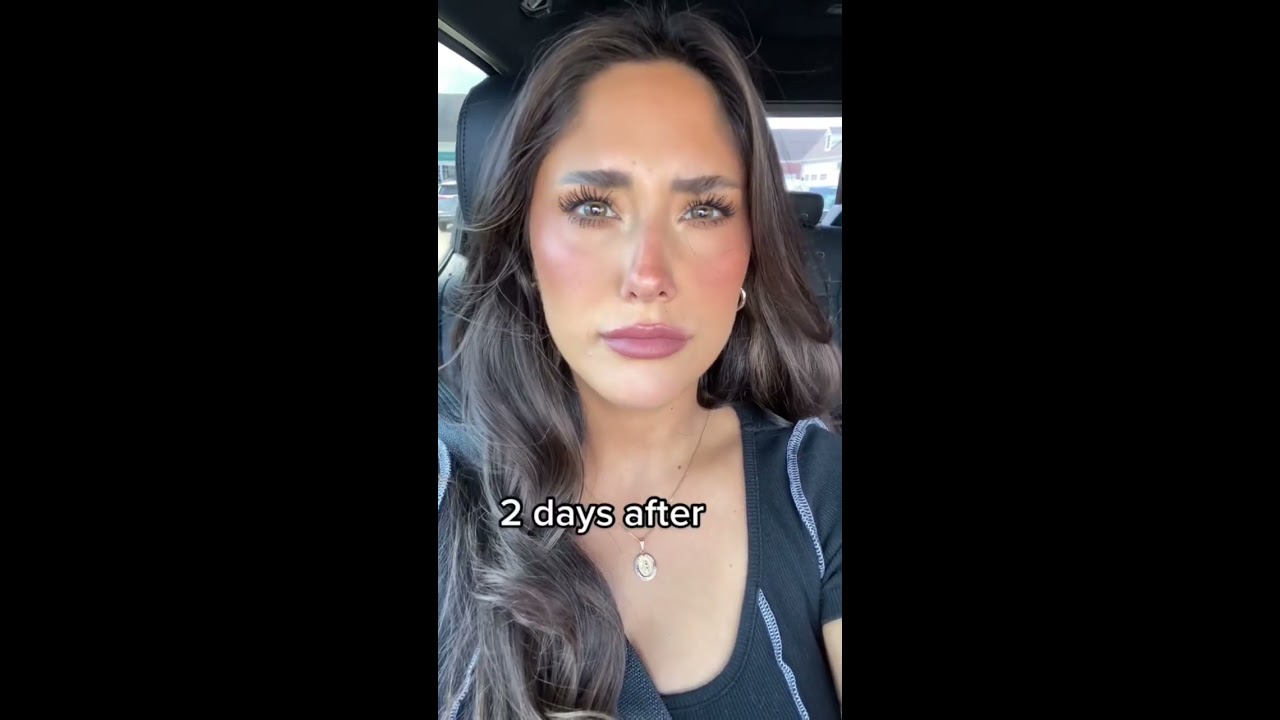
Myths I still hear, and how I address them
“Botox will freeze my face.” It can if you request full suppression or someone over-treats you. Most modern plans aim for a natural look with the right amount of movement for your job, personality, and camera time.
“Starting Botox early means I’ll need it forever.” Lines deepen with movement, time, and sun. Early, light dosing is preventive, not addictive. You can stop at any time. Your muscles will gradually regain function, and your face will return to baseline minus the months you spent not etching those lines deeper.
“Botox and fillers are the same.” One relaxes muscles, the other restores volume. They complement each other but are not interchangeable.
“Once I get Botox, I can never stop without looking worse.” That’s not how physiology works. When effects fade, your face returns to your natural baseline. You may miss the smoothness, but you do not rebound to worse-than-before.
When not to get Botox
If you are pregnant or breastfeeding, defer. If you have an active skin infection, wait. If you are preparing for a major life event within a week, do not rush. Give yourself two weeks for settling and potential fine-tuning. If your expectations are for a facelift in a syringe, reframe. Botox is excellent for wrinkles caused by motion, not sagging skin or volume loss. That’s where fillers, collagen-stimulating treatments, or surgery may belong.
The practical guide to your first visit
Use this brief checklist to set yourself up for a smooth experience.
- Book a consultation first, not a same-day treatment, if you’re new or have complex goals. Bring a list of medications and supplements. Ask about bruising risk and timing. Show reference photos of what you like and dislike, preferably of yourself at rest and in motion. Clarify budget and maintenance cadence. Ask how many units are planned and why. Schedule your two-week follow-up. It’s where the finesse happens.
How FDA approval influences innovation and technique
The FDA’s job is not to keep up with every micro-trend in aesthetics. It ensures safety and efficacy for defined uses. Clinicians push forward with technique: micro-dosing for pore and oil control, combination treatments with energy devices, or new injection patterns that better respect ethnic and gender differences in beauty ideals. Innovation is valuable, but it lives best inside a structure of informed consent and a respect for the drug’s physiology. When you hear about botox innovations or new techniques on social media, filter them through that lens. Ask your provider about the science and whether it fits your anatomy.
" width="560" height="315" frameborder="0" allowfullscreen="" >
What results can look like over a year
Think in quarters. If you treat every 3 to 4 months, you will enjoy a consistent look with minor fluctuations in movement right before your next session. Many patients notice that with regular botox maintenance, lines never fully re-etch. Photos taken at the one-year mark often show softer fine lines even when effects are “due,” especially in the glabella and crow’s feet. If you prefer fewer visits, plan for slightly stronger doses and accept a more pronounced wear-off in month four. If you’re sensitive to any stiffness, opt for lighter, more frequent sessions.
Bottom line for patients weighing the decision
Yes, Botox is FDA approved for cosmetic treatment of frown lines, crow’s feet, and forehead lines. That approval signals a strong safety profile and clear dosing guidelines. It does not replace the need for a thoughtful plan crafted by a trained injector who studies your face at rest and in motion. The best outcomes balance your desire for smooth skin with the expressions that make you look like you. Budget for ongoing care, commit to basic skin care, and schedule with someone whose work and ethics you trust.
If you want subtle results that read polished on camera, a competent injector can tailor dosing so you keep micro-expressions while ironing out the heavy creases. If you want a dramatic look for a season, that’s doable too, with a frank talk about how that might feel and look in bright light or when you work out. Either way, FDA approval means the product in the vial has been scrutinized. The art in the syringe is the part you and your provider shape together.